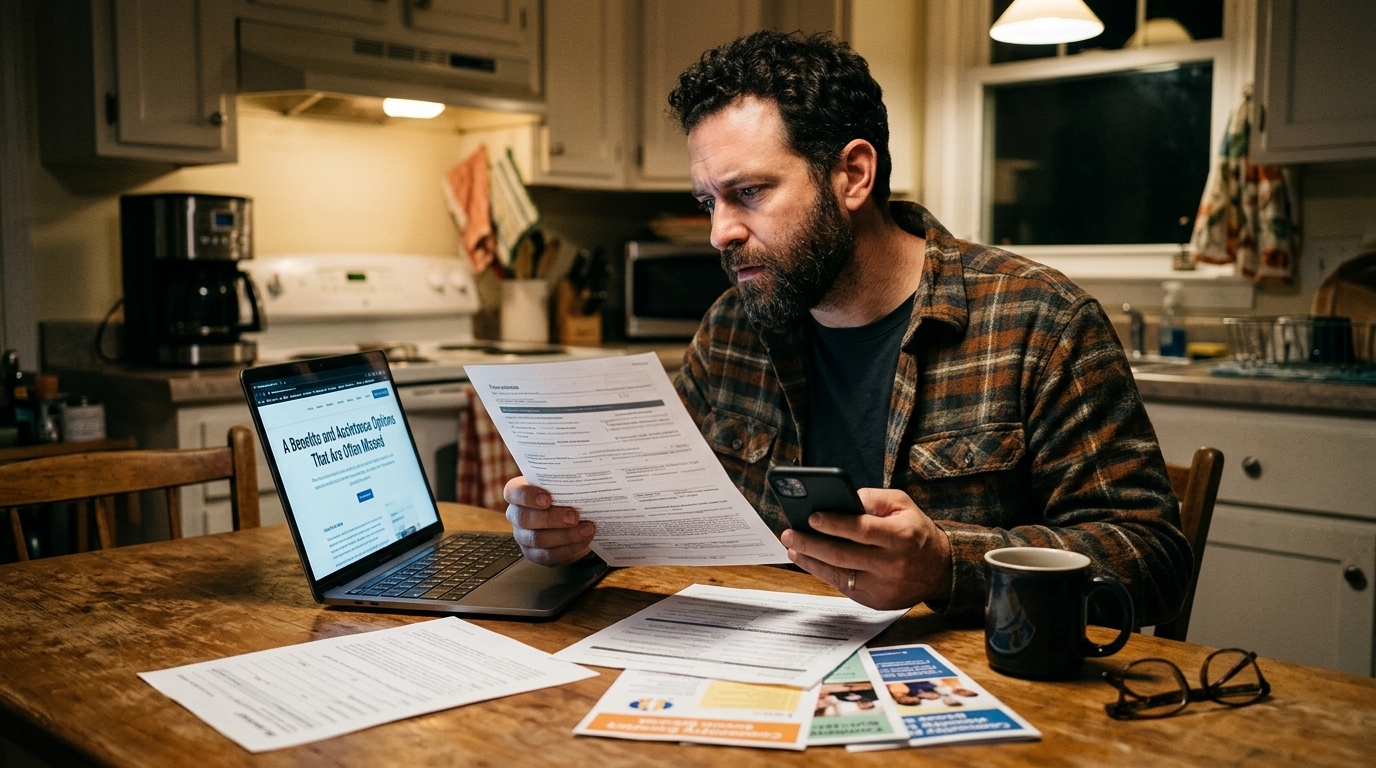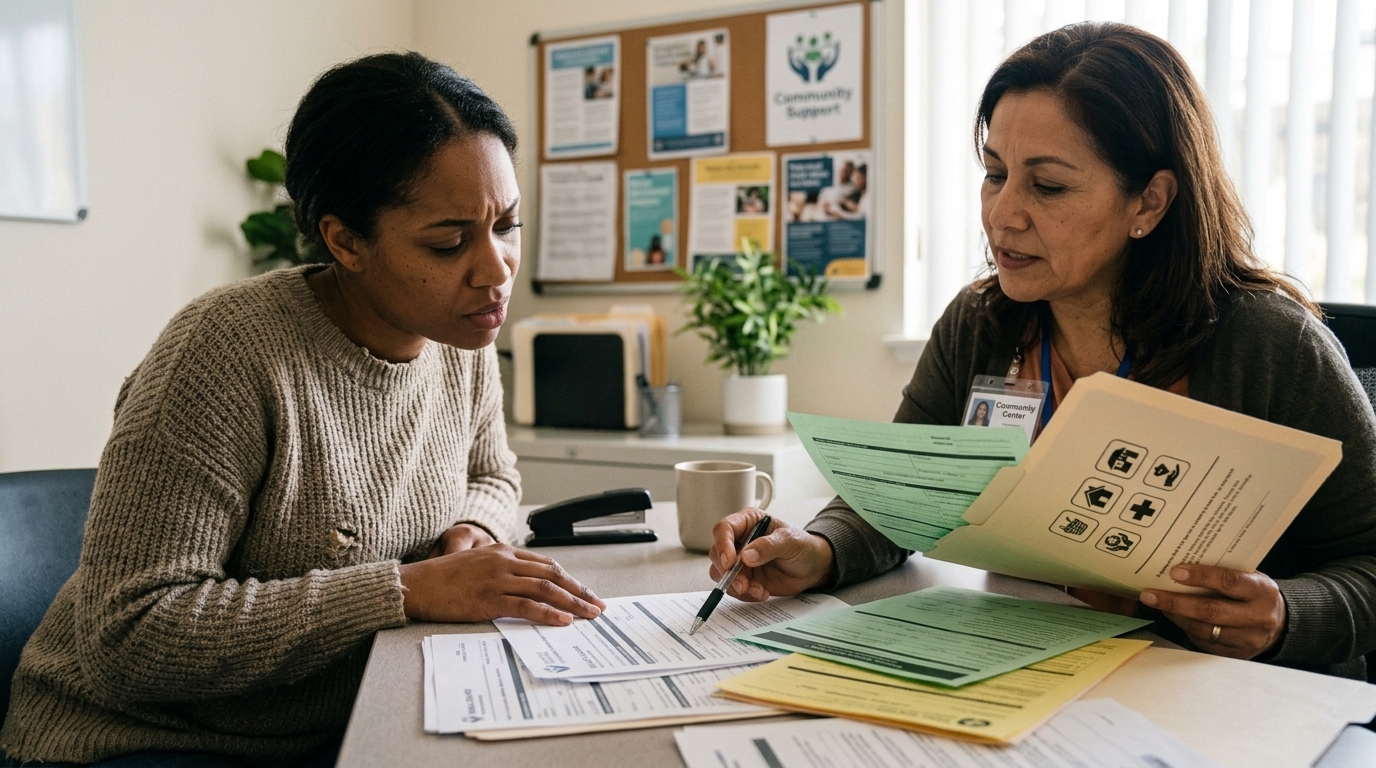
Not sure whether government assistance applies to you?
You are not alone.
A lot of people never check because they assume they earn too much, are not in a severe enough situation, or would not qualify for anything meaningful anyway. That assumption causes many households to miss support that could help with groceries, health coverage, rent, utility bills, child care, disability-related needs, and other everyday expenses.
The truth is, government assistance programs in the U.S. cover more than many people realize. Some are designed for low-income households, but others also look at factors like household size, age, disability, caregiving responsibilities, pregnancy, housing costs, and where you live. That means the right question is not, “Am I the kind of person who gets assistance?” It is, “Which programs match my current situation?”
This guide is designed to help you answer that question in a practical, non-stigmatizing way.
In This Guide
- What Government Assistance Programs Generally Cover
- Common Categories of Government Assistance
- General Eligibility Factors Most Programs Consider
- How to Find Programs That Match Your Situation
- What to Prepare Before Applying
- How to Verify a Program Is Legitimate
- FAQs About Government Assistance Programs
The goal is simple: to help you review your options clearly, calmly, and without guesswork.
What Government Assistance Programs Generally Cover
Government assistance programs are meant to help people meet basic needs, stay stable, and manage certain financial pressures or life circumstances. Depending on the program, support may come in the form of monthly benefits, subsidized services, insurance coverage, vouchers, direct payments, or reduced costs.
In general, these programs often help with:
- food
- housing
- health care
- utility bills
- child care
- disability-related support
- senior services
- cash assistance
- work and training support
It helps to think of assistance programs as a system of support, not just one application or one benefit. Someone may not qualify for one type of help and still be eligible for another. A household that does not qualify for direct cash support, for example, may still qualify for food assistance, utility relief, child health coverage, or rental help.
That is why it makes sense to check by category rather than assume the answer is automatically no.
Common U.S. Government Assistance Programs Worth Checking
SNAP
The Supplemental Nutrition Assistance Program (SNAP) helps eligible households pay for groceries. This is one of the main food assistance programs in the U.S. and one of the first places many households check when food costs are becoming harder to manage.
WIC
WIC, or the Special Supplemental Nutrition Program for Women, Infants, and Children, helps eligible pregnant women, postpartum women, infants, and young children with food, nutrition support, and referrals.
School Meal and Emergency Food Programs
Some families may qualify for free or reduced-price school meals or other nutrition support programs for children. There are also emergency food programs that can help households facing short-term food needs.
Medicaid
Medicaid provides health coverage for eligible low-income adults, children, pregnant individuals, seniors, and people with disabilities. Because it is run through states, exact eligibility and application rules can vary depending on where you live.
CHIP
The Children’s Health Insurance Program (CHIP) provides health coverage for eligible children in families who earn too much for Medicaid but still need affordable coverage options.
Medicare
For older adults and some younger people with qualifying disabilities, Medicare may be one of the most important programs to review when looking at health coverage.
TANF
Temporary Assistance for Needy Families (TANF) is a federally funded, state-run program that may help eligible families with costs related to food, housing, child care, and other basic needs. Some TANF programs also include work-related support or training.
LIHEAP
The Low Income Home Energy Assistance Program (LIHEAP) helps eligible households with heating, cooling, and energy-related costs. This can be especially important during periods of high utility bills or extreme weather.
Weatherization Assistance Program
The Weatherization Assistance Program (WAP) helps eligible households reduce long-term energy costs by improving home energy efficiency.
Housing Choice Voucher Program
The Housing Choice Voucher Program, often called Section 8, helps eligible households afford housing in the private rental market.
Public Housing
Public housing is another major housing assistance option for eligible low-income households, seniors, and people with disabilities.
SSI
Supplemental Security Income (SSI) provides monthly payments to eligible people with limited income and resources who are blind, disabled, or age 65 or older.
SSDI
Social Security Disability Insurance (SSDI) provides monthly payments to people whose condition affects their ability to work and who have sufficient work history.
Child Care Assistance
Many states offer child care assistance programs that help eligible families cover part of the cost of child care so parents or guardians can work, attend training, or continue education.
Head Start and Early Head Start
Head Start and Early Head Start provide free early learning and development services for eligible children and families.
State Social Service Agencies
When people are not sure where to begin, their state social service agency is often one of the best starting points. These agencies may help connect people to food support, housing resources, health coverage, senior services, unemployment-related help, and more.
After seeing this list, a lot of people ask the same next question: which of these programs actually fits my specific situation? If that is where your mind is going, read A Practical Guide to Finding Assistance Programs That Fit Your Situation next. It will help you move from a long list of possible programs to a shorter list that feels relevant and usable.
General Eligibility Factors Most Programs Consider
Every program has its own rules, but several factors come up again and again.
Income
Income is one of the most common eligibility factors. Some programs compare your household income to a limit based on family size and location.
Household Size
The number of people in your household often affects what you may qualify for. A larger household may have different income thresholds than a smaller one.
Age
Some programs are specifically designed for children, older adults, or people in certain age groups.
Disability Status
Programs related to disability may consider medical conditions, work limitations, or whether someone meets a defined disability standard.
Employment Situation
Some programs look at whether you are employed, unemployed, underemployed, recently laid off, or participating in training.
Pregnancy or Caregiving Responsibilities
Pregnancy, parenting, and caregiving responsibilities may affect eligibility for certain programs.
Housing Situation
Housing-related assistance may take into account rent burden, homelessness risk, household stability, or other housing circumstances.
Medical Needs
Some assistance is tied to medical care, prescriptions, chronic conditions, transportation to treatment, or disability-related expenses.
Geographic Location
Where you live matters. Some programs are federal, while others are run at the state, county, city, or local level.
This is why broad assumptions often get in the way. Saying “I probably do not qualify” is usually much less useful than asking, “Which programs are designed for situations like mine?”
How to Find Programs That Match Your Situation
This process becomes much easier when you stop searching in general and start searching from your real situation.
Start With Your Biggest Need
Think about which expense or pressure point matters most right now.
For example, are you mainly trying to find help with:
- groceries
- rent
- utilities
- health insurance
- child care
- transportation
- disability-related costs
- reduced work hours or job loss
Starting there gives your search direction.
Use Official Benefit Search Tools
Two of the most useful official starting points are:
- USAGov Benefits
- Benefits.gov Benefit Finder
These tools are designed to help people search by category, need, and life situation.
Check State and Local Agencies Too
Do not stop with national programs. Many forms of assistance are handled through state agencies, local housing offices, Medicaid offices, energy assistance offices, or community-based service networks.
Search by Category, Not by Emotion
Instead of searching vague phrases like “help with money,” search based on the actual type of support you need. That usually leads to clearer and more useful results.
What to Prepare Before Applying
Once you identify a program that looks relevant, it helps to gather basic information before applying.
Different programs ask for different documents, but many applications require some version of the following:
Identification
You may need a government-issued ID or other identity verification.
Proof of Address
This could include a lease, utility bill, or other official document showing where you live.
Proof of Income
Some programs ask for pay stubs, benefit statements, tax records, or other income documentation.
Household Information
You may need to list who lives in your household, their ages, and how they are related to you.
Expense Information
Applications may ask about rent, utilities, child care costs, or medical expenses.
Special Circumstance Documents
If you are applying based on disability, pregnancy, caregiving, or another qualifying condition, you may need additional supporting paperwork.
You do not always need everything on day one, but having the basics ready can make the process much smoother.
How to Verify a Program Is Legitimate
When money is tight, scam offers can sound convincing. That is why it is important to verify a program before sharing personal information.
Start With Official Sources
Use official government websites whenever possible. These are usually the most reliable places to confirm what a program does, who it is for, and how to apply.
Be Careful With “Free Money” Claims
A site that promises guaranteed cash, instant approval, or “secret” government money without clearly explaining eligibility should raise concern.
Check for Clear Program Details
A legitimate program should clearly explain:
- what it helps with
- who may qualify
- how to apply
- what documents may be needed
- which agency runs it
Slow Down Before Sharing Sensitive Information
Do not rush to enter identification details, banking information, or household data unless you have confirmed that the program is real and the site is trustworthy.
Cross-Check Third-Party Mentions
If you find a program mentioned on another site, verify it through an official agency page before taking the next step.
A simple rule helps here: if something sounds vague, overly easy, or too good to be true, pause and verify it.
FAQs About Government Assistance Programs
Do I need to be unemployed to qualify?
No. Many programs are not limited to unemployment. Some support working households, families with children, seniors, or people with disabilities.
What if I was denied before?
A past denial does not automatically mean you will not qualify now. Your income, household size, location, or life situation may have changed, and program rules may also change over time.
Are these only for people in severe crisis?
Not always. Some programs are designed to help prevent a crisis, reduce strain, or improve stability before a situation becomes more serious.
Can I qualify for more than one type of assistance?
In some cases, yes. A household may qualify for help in more than one category, depending on the rules of each program.
Are all assistance programs direct cash benefits?
No. Some programs provide money, but many reduce costs in other ways through groceries, health coverage, child care support, utility help, or housing assistance.
Where should I start if I have no idea what fits?
A practical place to start is with USAGov Benefits, Benefits.gov Benefit Finder, and your state social service agency.
Final Thoughts
Government assistance programs can feel complicated from the outside, especially when people carry assumptions about who they are “for.”
But the most practical approach is not to decide too early whether you qualify. It is to review the actual categories, check the programs that fit your situation, and use official sources to guide the process.
Start with one need. Look at the matching programs. Gather your basic information. Verify that the source is legitimate. Then take the next step.
A lot of people miss support not because nothing is available, but because they never thought it was worth checking.
Related Articles
If you want to learn more about financial support and financial benefits, check out these articles:
- A Practical Guide to Finding Assistance Programs That Fit Your Situation
Best next step if you want to narrow broad program lists into the options most relevant to your real-life situation. - How to Review If You’re Eligible for Financial Support Programs
Best if your next question is whether you actually qualify before spending time gathering documents or applying. - Where to Find Verified Financial Support Programs Safely
Best if you want to double-check sources, avoid scammy offers, and make sure the programs you’re reviewing are legitimate.